Recent Coverage
Three areas where heritage property owners in Canada face the most technical and regulatory complexity.
Original masonry, period windows, and municipal heritage designation — documented methods for properties across Ontario, Quebec, and British Columbia.
Three areas where heritage property owners in Canada face the most technical and regulatory complexity.
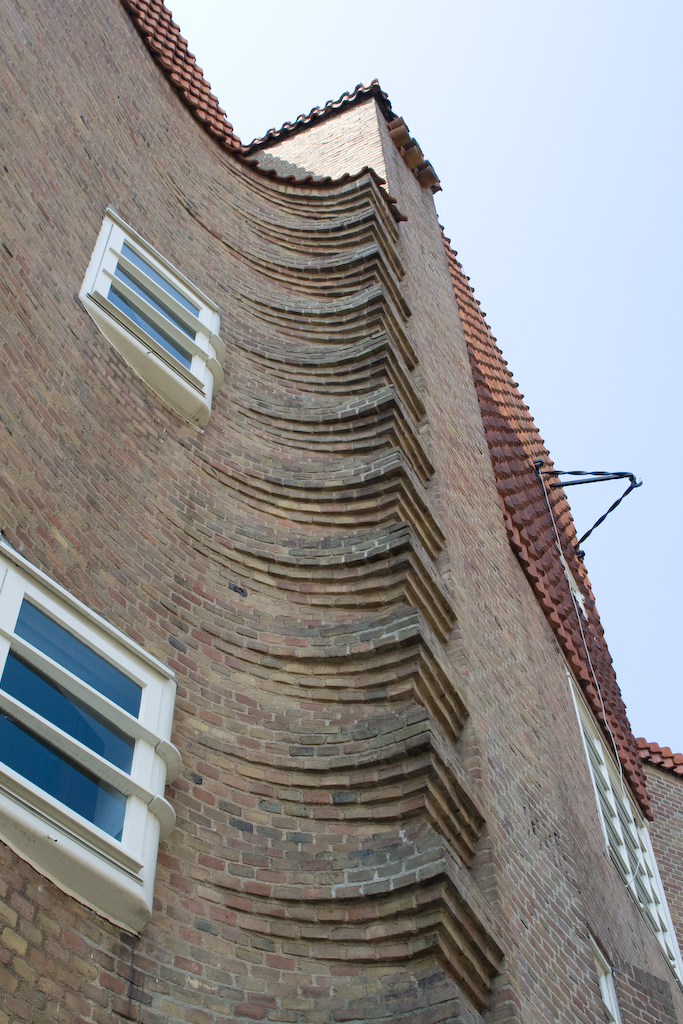
Using Portland cement in joints on a soft heritage brick building traps moisture and accelerates spalling — sometimes within a single freeze-thaw season. The correct approach depends on the original mortar composition, which can be tested on-site before any repointing begins.
Read the Masonry GuideVisual comparisons of masonry bond patterns, mortar types, and window hardware found in Canadian heritage properties.

Common in Georgian and early Victorian Ontario townhouses. Alternating headers and stretchers in each course.

The most prevalent pattern in post-1880 residential construction across Quebec and Ontario.

Fieldstone and quarried limestone walls typical of pre-Confederation rural structures in Ontario and Quebec.
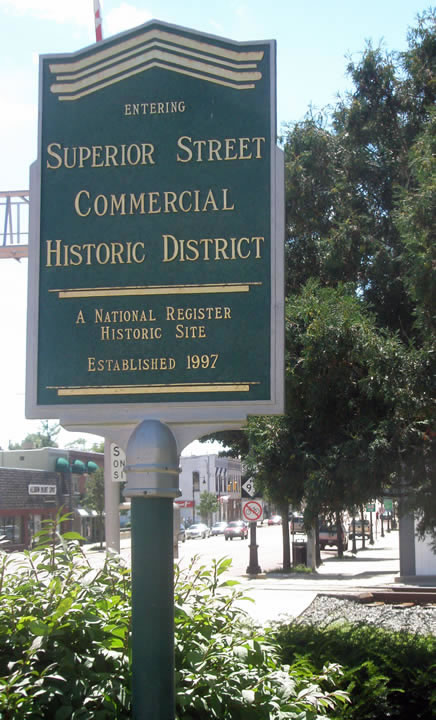
Once a property is designated under the Ontario Heritage Act or BC's Local Government Act, alterations to the character-defining elements require municipal consent. Understanding which features triggered the designation is the first step before planning any renovation.
Read the Designation Guide
Several Canadian suppliers produce hand-made bricks, natural hydraulic lime, and period hardware to specifications matching original building records. Knowing where to source these materials shortens procurement timelines and avoids substitutions that fail heritage review panels.
Material Sourcing NotesScale of heritage conservation activity in Canada, based on publicly available municipal registry data.
Use this form to reach us with questions about heritage restoration, material sourcing, or municipal processes in your area.