Heritage designation under Canadian provincial legislation does not freeze a building in time. It establishes a legal framework for managing change to properties that have been identified as having cultural, historical, architectural, or contextual significance. The practical effect for a property owner depends heavily on two things: which features were identified as character-defining elements in the designation bylaw, and which province the property is in.
This article focuses on the two provinces where designated heritage properties are most numerous and where the permit processes are most developed: Ontario and British Columbia.
What Triggers Heritage Designation
In Ontario, designation is initiated either by a property owner applying to the municipality, or by the municipality itself issuing a Notice of Intent to Designate. The legal basis is Part IV of the Ontario Heritage Act, which allows a municipality to designate individual properties, or Part V, which covers heritage conservation districts.
For a property to qualify, it must meet at least two of the following criteria — derived from Ontario Regulation 9/06:
- Design or physical value — rare, unique, or early example of a style, construction method, or materials
- Historical or associative value — connection to a person, event, or institution significant to the community
- Contextual value — the property defines or supports the character of an area, or is a landmark
In British Columbia, the process is governed by the Local Government Act and the Community Charter. Unlike Ontario, there is no province-wide criteria regulation — each municipality defines its own evaluation criteria. In practice, most BC municipalities use criteria similar to Ontario's, drawing on the Canadian Register of Historic Places evaluation framework.
The Designation Bylaw and Statement of Significance
The most important document for any designated heritage property is the Statement of Significance (also called a Heritage Designation Report in some municipalities). This document:
- Identifies the heritage attributes or character-defining elements of the property
- Describes the historical context that justifies designation
- Forms the basis against which future alteration applications are evaluated
Property owners should obtain a copy of their designation bylaw and Statement of Significance from the municipal clerk's office. In many cases, these documents were written decades ago and describe attributes at a level of generality that leaves significant room for interpretation during the permit process.
The character-defining elements listed in a Statement of Significance are not always exhaustive. Municipal heritage staff may cite attributes not explicitly named in the statement when reviewing an alteration application.
What Designation Restricts
Designation does not prevent renovation or adaptation. It restricts alteration to the designated heritage attributes without prior municipal consent through a Heritage Permit (Ontario) or a Development Permit or Building Permit with heritage conditions (BC).
Activities that typically require a Heritage Permit on a designated Ontario property:
- Altering, removing, or adding to any character-defining element identified in the designation bylaw
- Repointing masonry where the mortar type, colour, or joint profile would change from the original
- Replacing windows, doors, or architectural details on primary facades
- Adding new openings (windows, doors, vents) to facades visible from a public street
- Cladding or covering original masonry, wood, or stone with any material
- Demolition of any portion of the building
Interior alterations are generally not restricted by Part IV designation, unless the interior has been specifically included in the designation — which is unusual but not unheard of for properties of exceptional architectural significance.

Brownstone and sandstone facade buildings from the late 19th century are frequently designated under municipal heritage bylaws. The masonry, window openings, and decorative stone details are typically all character-defining elements.
The Heritage Permit Application Process in Ontario
A Heritage Permit application in Ontario is submitted to the municipal heritage department. The application must include, at minimum:
- A description of the proposed work
- Plans, drawings, or photographs sufficient to explain the scope
- A specification of materials and methods
- An explanation of how the proposed work will not negatively affect the heritage attributes
The municipality has 90 days to make a decision on a complete application. If the municipality does not respond within 90 days, the permit is deemed to be granted. In practice, most applications are processed within 30–60 days, with informal discussions between the applicant and municipal heritage staff resolving the majority of issues before formal submission.
The Role of the Heritage Committee
Most Ontario municipalities with a significant inventory of designated properties have a Local Advisory Committee on Heritage (LACH) or equivalent body. These committees review Heritage Permit applications and make recommendations to council. They are advisory — the final decision rests with council or a delegated authority — but their recommendations are rarely overturned.
Heritage committee meetings are public. Attending a meeting as an observer before submitting an application gives useful insight into how the committee approaches similar projects and what concerns are likely to arise.
The Process in British Columbia
In BC, the heritage alteration process is less standardized because it varies significantly between municipalities. The City of Vancouver has a well-developed Heritage Building Rehabilitation Program with detailed guidelines; smaller municipalities may have minimal formal process.
In most BC jurisdictions, alteration of a protected heritage property requires a Heritage Alteration Permit (HAP). The application is reviewed by heritage staff and, in many cases, by a municipal Heritage Commission. The City of Victoria and the City of New Westminster both operate established review processes with published guidelines on materials and methods.
BC's provincial heritage legislation does not prescribe timelines for permit decisions. Some municipalities have committed to 30-day processing, others have no stated target. Confirming the expected timeline with heritage staff before submitting is advisable for any project with a construction schedule dependency.
Sourcing Period-Appropriate Materials
Heritage permit approval typically requires that proposed materials match or be compatible with original materials. For masonry work, this means lime-based mortars and compatible brick or stone. For exterior woodwork, it means wood rather than composites on primary facades.
Several Canadian suppliers specialize in heritage-compatible materials:
- Natural hydraulic lime (NHL 2, NHL 3.5, NHL 5) is available from distributors in Ontario and BC who import from European manufacturers
- Reclaimed brick from demolition salvage is available through dealers in Toronto, Montreal, and Vancouver; sourcing reclaimed brick from the correct era often requires lead time
- Period hardware (sash lifts, cremone bolts, cast iron hinges) is available through architectural salvage dealers and specialty reproduction hardware suppliers in Ontario and Quebec
The Canadian Association of Heritage Professionals (CAHP) maintains a directory of conservation consultants and specialist contractors who can assist with both material specification and permit applications. Their directory is searchable by province and specialty.
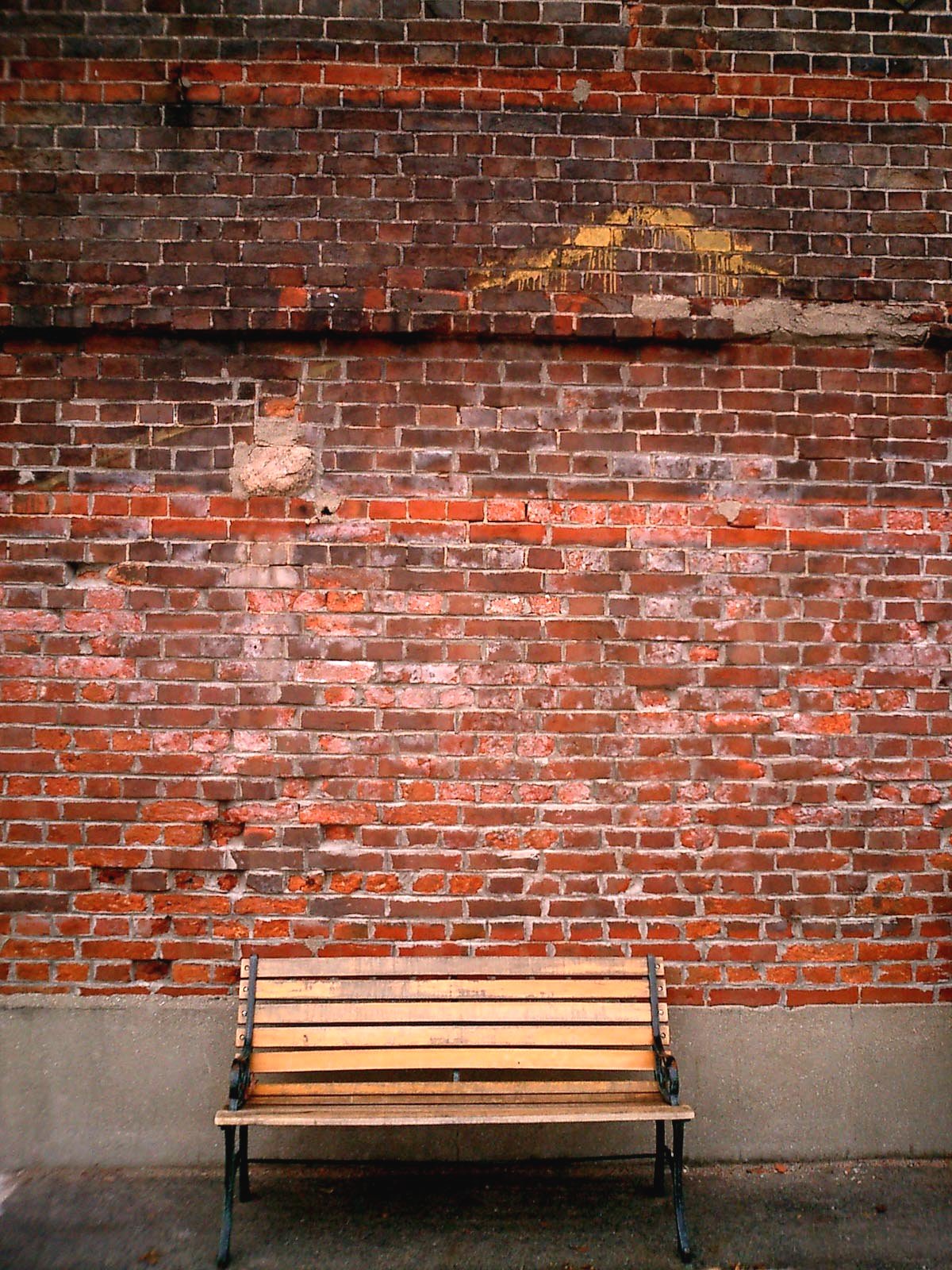
Original brick masonry in good condition is the most common character-defining element in Canadian heritage designations. Alterations to the mortar or the brick face require a heritage permit in most designated jurisdictions.
Financial Incentives for Designated Properties
Heritage designation carries obligations, but it also opens access to financial incentives that non-designated properties cannot access:
- Ontario Heritage Trust Easements — some designated properties can enter into conservation easement agreements that provide one-time grants in exchange for long-term heritage maintenance commitments
- Municipal Heritage Grants and Loans — several Ontario and BC municipalities (Toronto, Ottawa, Victoria, Vancouver) operate heritage grant programs. Eligibility and amounts vary; most require a Heritage Permit in place before funds are released
- Property Tax Relief — some Ontario municipalities provide a property tax reduction for designated heritage properties, particularly those with approved conservation plans
- Heritage Building Rehabilitation Program (BC) — the City of Vancouver operates a density transfer program that allows heritage property owners to sell unused development rights in exchange for maintaining the heritage building
The availability and terms of these programs change as municipal budgets change. Confirming current availability with municipal heritage staff or the Ontario Heritage Trust is essential before including any grant funding in a project budget.
Objecting to a Notice of Designation
If a municipality issues a Notice of Intent to Designate a property, the property owner has 30 days to object under the Ontario Heritage Act. An objection triggers a mediation process through the Conservation Review Board. If mediation fails, the matter goes to a formal hearing.
In practice, most designation processes that reach the objection stage involve either a disagreement about the heritage significance of the property or concerns about the scope of the proposed designation bylaw. Engaging heritage planning counsel at the Notice of Intent stage gives a property owner the clearest picture of the objection process and its likely outcomes.